If you’ve looked into powerboat ownership, you’ve probably seen the recommendation to budget 10% to 15% of the boat’s purchase price for annual maintenance and operating costs. This advice is a helpful starting point, especially for new boaters. However, it doesn’t apply to premium ownership.
In 2026, for high-performance powerboats, the focus shifts from straightforward budgeting to strategic asset management. Boat ownership can bring unexpected expenses, but you can predict operating costs with the same care you apply to any significant investment.
The total cost of powerboat ownership includes acquisition strategy, ongoing expenses, reliability planning and long-term asset preservation. When handled properly, ownership becomes intentional, manageable and respectful of your time and money.
Controlling Cost From Day One
Managing ownership costs starts before the boat ever hits the water. How you acquire and define your vessel shapes much of what follows.
Precision Over Packages
Many manufacturers provide preset option bundles. While these can be convenient, they often include features that don’t match your needs.
A more focused acquisition strategy revolves around allocating your money as follows:
- Picking the appropriate engine configuration for your boating style
- Investing in navigation and electronics suited to your cruising patterns
- Choosing materials and finishes that minimize wear over time
- Avoiding unnecessary extras that raise depreciation without adding value
Strategic customization isn’t a luxury — it’s a tactical way to get the financial details correct.
One-Time Capital Expenses vs. Recurring Operational Costs
When evaluating how much powerboats cost at purchase, keep capital expenses and operating costs separate.
One-time costs are generally predictable and stable. They include:
- Purchase price
- Taxes and registration
- Commissioning and delivery
- Safety equipment
- Initial outfitting
Recurring operating costs typically include:
- Insurance
- Storage or docking
- Fuel
- Routine service
- Seasonal preparation
Give yourself the advantage of correctly configuring the boat from the beginning. An engine that doesn’t match the hull’s size or intended use can lead to inefficiencies that add up year after year, resulting in higher fuel consumption and accelerated wear.
Forecasting Recurring Expenses
A well-managed ownership model views annual expenses as predictable instead of random.
Insurance and Risk Management
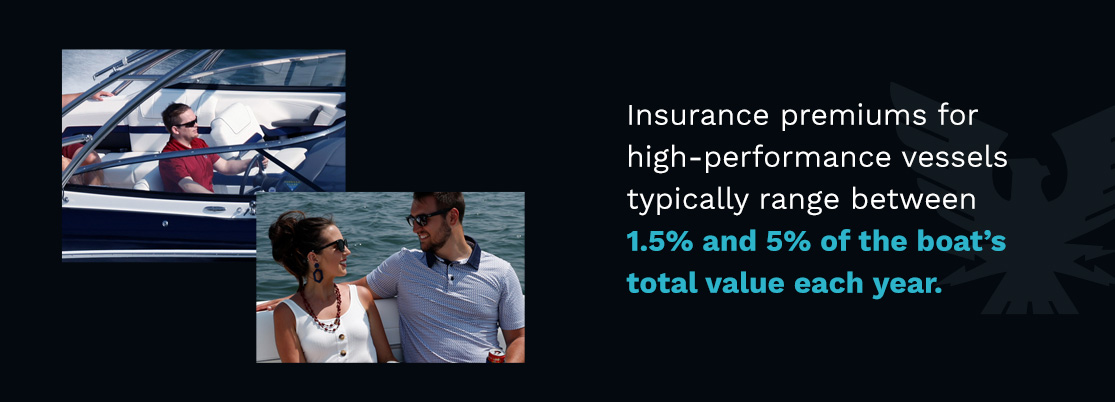
Insurance premiums for high-performance vessels typically range between 1.5% and 5% of the boat’s total value each year. These costs depend on factors like navigation limits, storage method and risk profile. Be sure to match coverage with your asset’s value and operational risks.
Premium boats with good build quality, modern safety features and documented maintenance records may have a better risk profile for insurers. Structural integrity and engineering quality are essential in underwriting decisions.
Docking and Storage
Many people overlook storage costs when creating their annual budgets. The price of storing your boat can vary widely based on location and facility type.
Common options include:
- Outdoor dry storage
- Wet slips
- Dry stack facilities
- Indoor climate-controlled storage
Indoor heated storage might cost more, but it protects your boat’s appearance and structure by reducing UV damage, moisture exposure and cosmetic wear over time.
Over five to 10 years, higher-quality storage can help maintain resale value and reduce refurbishment costs.
Fuel and Consumables
Fuel is often the most significant variable expense in most budgets. While no model can eliminate fuel costs, the design’s efficiency affects long-term fuel consumption.
Factors like hull design, weight distribution and hydrodynamic performance directly influence:
- Speed-to-fuel ratio
- Planning efficiency
- Stability at cruising speed
A well-designed hull reduces drag and boosts efficiency across all operating conditions. Even small improvements in fuel efficiency, over several seasons, can lead to significant savings.
Consumables such as fluids, filters, zincs and detailing supplies tend to be predictable with routine service intervals.
Maintenance and Reliability
Premium ownership differs from simple budgeting strategies.
Routine Maintenance vs. Reactive Repair
Routine maintenance is predictable, scheduled and manageable:
- Oil and filter changes
- Impeller inspections
- Fluid checks
- Seasonal commissioning and winterization
Reactive repairs are unexpected, disruptive and often much more expensive when they interrupt your boating season. Mechanical failures lead to emergency labor costs and the need to source parts quickly.
The High Cost of Downtime
Your time is precious, and losing a weekend on the water or canceling a long‑planned family trip can be emotionally and financially costlier than the price of routine annual service. Regular maintenance protects those moments by keeping your boat ready when you are.
A reliably running boat reduces stress and prevents the cascade of frustrations that come with unexpected breakdowns, last‑minute service calls and troubleshooting at the dock. When you have well-maintained equipment that performs as it should, you can head out with more confidence and far less pre‑trip anxiety.
Warranty and Factory Support as Risk Mitigation
Extended warranties and factory support turn uncertainty into defined coverage periods.
Solid support systems can:
- Limit ownership costs within a specific time frame
- Provide technical expertise beyond what a dealership offers
- Boost resale confidence
- Increase transferability value
Predictability over several years shifts ownership from reactive management to proactive stewardship.
The Intangible ROI —Time, Experience and Residual Value
At some point, every serious buyer asks the million-dollar question — are powerboats worth the cost over the long term? The answer has less to do with the sticker price and far more to do with how well the boat fits into your lifestyle. A well‑built, well‑maintained boat removes friction ad lets you enjoy every outing.
When a boat starts easily, runs smoothly and behaves predictably, you spend less energy coordinating service, troubleshooting minor issues or rearranging plans around mechanical surprises. That reliability protects your bandwidth, keeps boating fun and preserves the freedom that drew you to the water in the first place.
All boats lose value over time, but they don’t always do so at the same rate. Premium brands with long track records, recognized engineering and consistent quality usually retain their value better.
Formula has been family-owned since 1976 and has a reputation and resale market reflecting many years of commitment to product quality. A well-maintained Formula boat is an asset with a legacy.
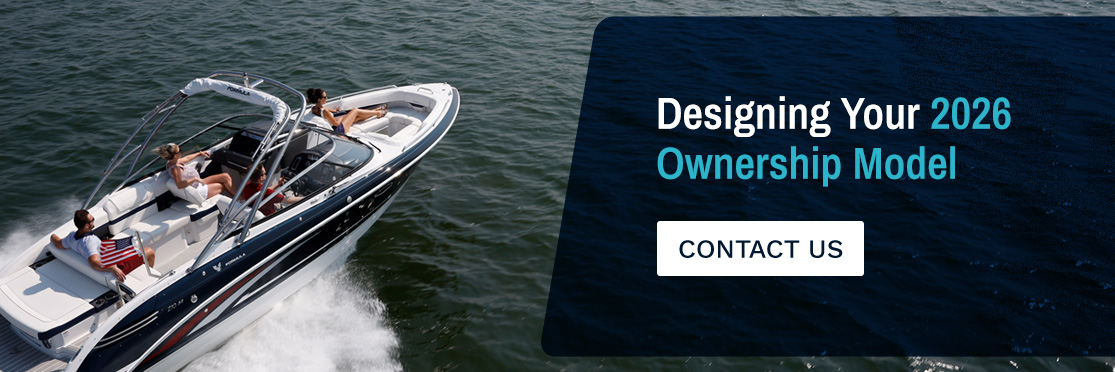
Designing Your 2026 Ownership Model
The cost of powerboat ownership in 2026 goes far beyond a simple percentage rule. When you deliberately approach acquisition, plan your operating costs and schedule proactive maintenance, ownership becomes a controlled experience instead of a guessing game.
Formula Boats provides the tools to do that for those ready to take ownership with this level of detail. Through careful engineering, structured support and highly personalized options, your experience can be intentional from Day 1.
If you’re prepared to move past rough estimates and design a boat and a budget that reflect how you value performance and time, contact Formula Boats or find a dealer near you.